
Is Your Brush a Hazard? Land Clearing Strategies for Fire Prevention
How Land Clearing Helps Prevent Wildfire
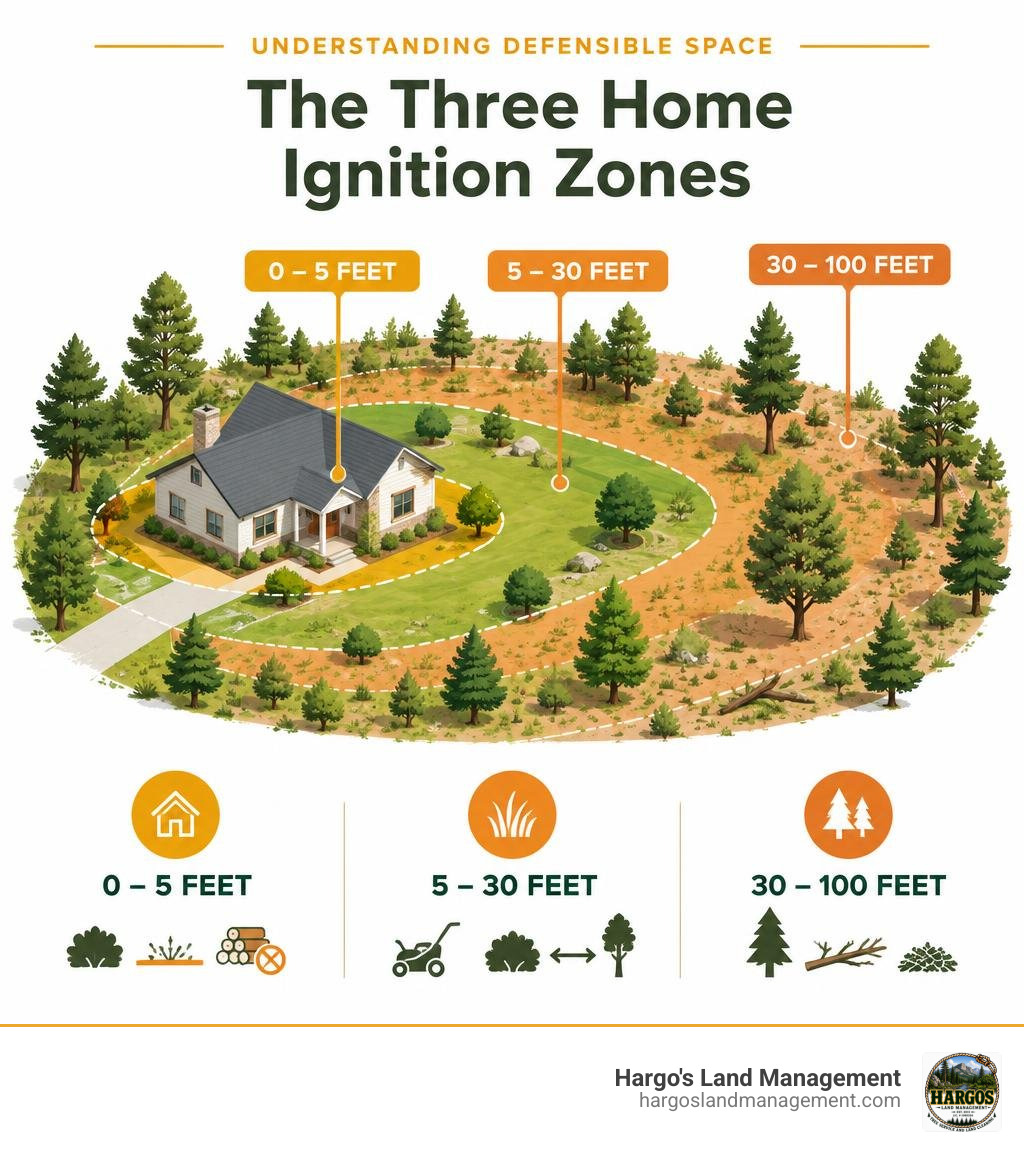
Start at the house and work outward. Keep the first 5 feet free of dry plants, wood mulch, and stored items. From 5 to 30 feet, mow grass, remove dead brush, and separate shrubs from trees. From 30 to 100 feet, thin dense vegetation and clear fallen branches to break up paths a fire could follow. Clean the roof and gutters, too: wind-blown embers can ignite debris even when flames are far away.
For homeowners in El Dorado County, the goal is less fuel, not bare ground. California requires defensible space around many homes in fire-prone areas, but local rules may be stricter. Check the requirements for your property before clearing protected trees or working near a boundary.
Wildfire mitigation requires a strategic approach. Studies show that up to 80 percent of homes lost in wildland fires could be saved if owners implemented basic fuel-reduction practices. In modern wildland-urban interface areas, an unmanaged landscape functions like a basement stuffed with old newspapers: high fuel loads feed intense fires, and blowing embers can carry ignition miles ahead of a flaming front.
Understanding Defensible Space: The Three Home Ignition Zones
Defensible space is the buffer you create between a structure and the wildland vegetation surrounding it. This buffer weakens advancing flames, stops direct fire spread, and provides firefighters a safe area to defend your home.
The modern framework for wildfire defense centers on the Home Ignition Zone (HIZ), an approach developed by USDA Forest Service researcher Jack Cohen. Cohen demonstrated that home survival depends primarily on the design of the structure and the fuels within 100 to 200 feet of its walls. Mastering defensible space zones and tree spacing rules helps break the continuous fuel chain that feeds catastrophic blazes.
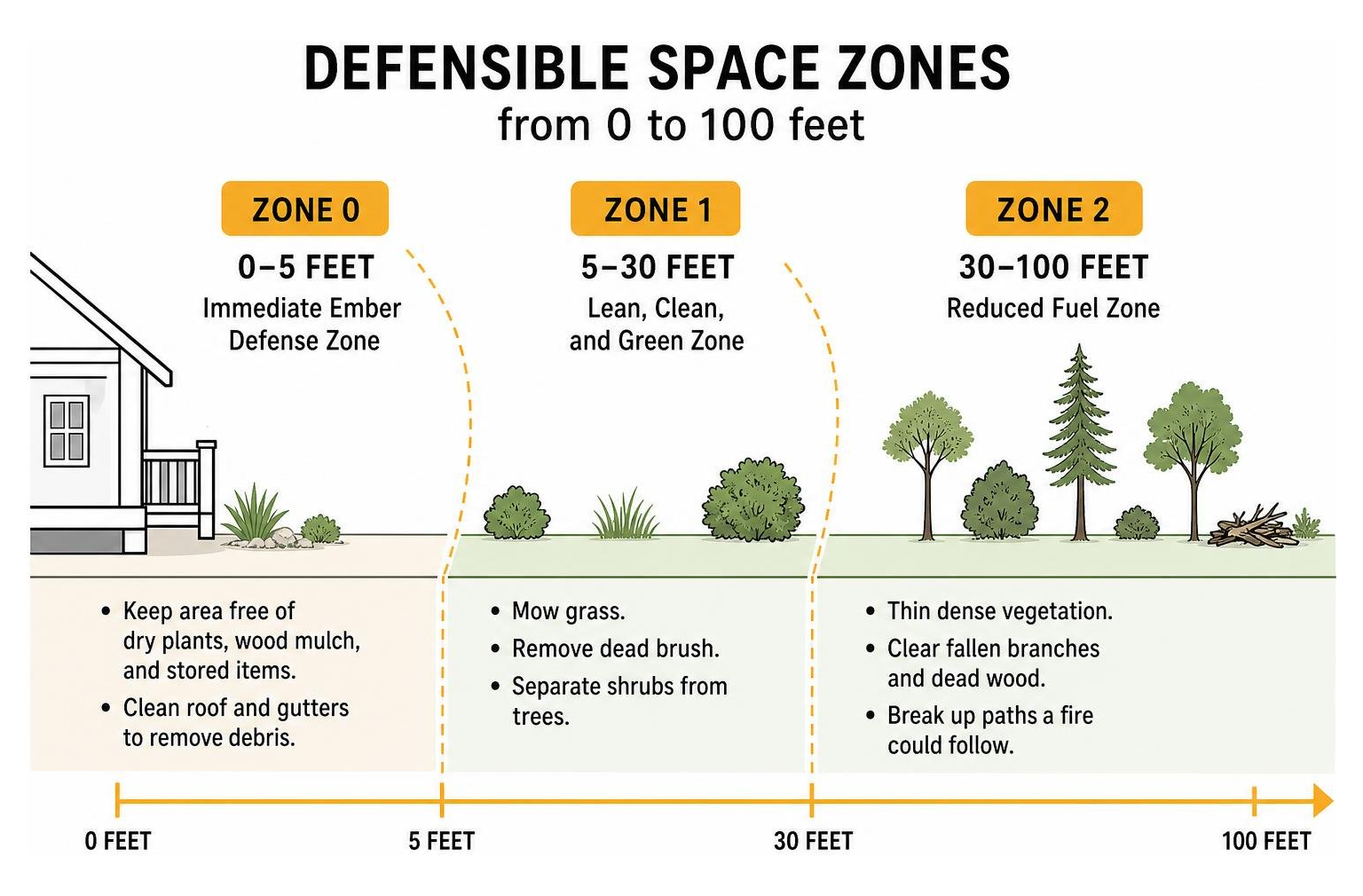
Zone 0 (0–5 Feet): The Non-Combustible Immediate Ember Defense Zone
Zone 0 is the immediate perimeter extending 0 to 5 feet from your exterior walls, foundation, and attached decks. Research confirms that wind-driven embers cause the vast majority of structure ignitions. If embers land in combustible flowerbeds, wood mulch, or pine needles trapped against wood siding, the home can ignite from the ground up.
According to Austin-Travis County wildfire safety guidance, homes within 1.5 miles of natural vegetation sit directly in an active ember zone.
To secure Zone 0:
- Remove all organic wood mulches and bark chips; replace them with non-combustible river rock, crushed gravel, or concrete pavers.
- Clear dead leaves, dry needles, and organic debris from roofs, gutter troughs, and under decking.
- Do not plant woody shrubs directly under windows or against structural siding.
- Relocate combustible patio furniture, wooden planters, doormats, and stored materials away from exterior walls.
Zone 1 (5–30 Feet) and Zone 2 (30–100+ Feet): Fuel Breaks and Clean Separation
Moving outward, the landscape must transition into active fuel-reduction buffers:
- Zone 1 (5–30 Feet): This is the “Lean, Clean, and Green” zone. The objective is to stop direct flame contact and radiant heat transfer. Keep lawn turf mowed to a maximum height of 4 inches (or 2 to 3 inches in drought areas). Eliminate dead plant matter, thin dense shrubs into isolated clusters, and ensure tree canopies do not overhang rooflines.
- Zone 2 (30–100+ Feet): This extended reduction area slows fire spread and forces crowning fires down into low-intensity surface burns. Our team provides specialized defensible space clearing across steep acreage by thinning dense tree stands, breaking up contiguous brush patches, clearing ground litter, and removing dead trees. In steep or high-hazard zones, clearance may need to extend up to 200 feet.
Core Land Clearing Fire Prevention Strategies for Defensible Space Zones
Clearing land for fire protection is not about stripping acreage down to bare dirt, which leads to severe soil erosion and weed invasions. It is about disrupting fuel continuity—both horizontally across the ground and vertically into the forest canopy.
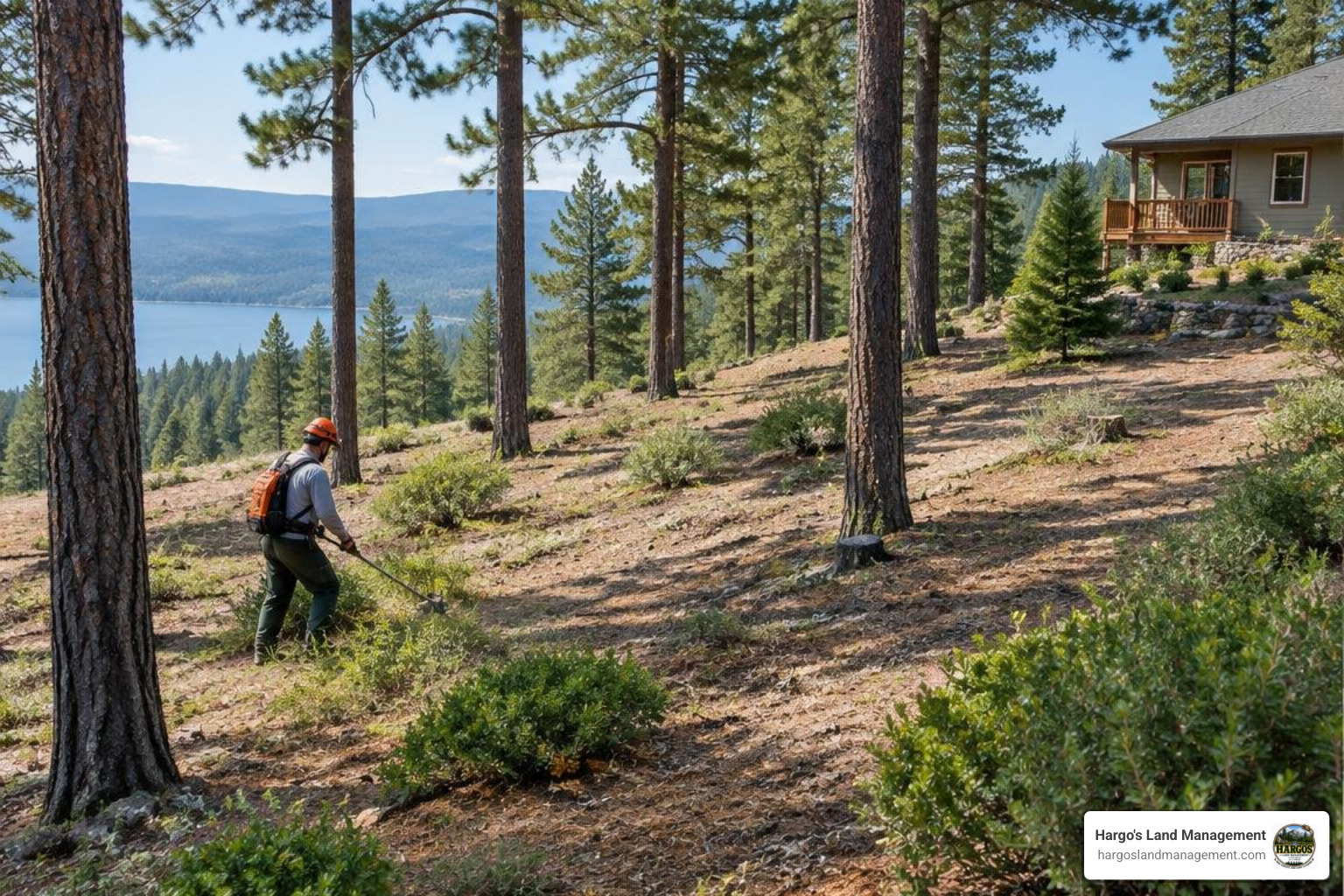
Vertical and Horizontal Spacing Rules to Eliminate Ladder Fuels
Wildfires turn devastating when low surface fires climb into tree crowns. Low-growing vegetation, brush, and low tree limbs act as “ladder fuels,” allowing flames to ascend into the canopy.
- Vertical Clearance (The Three-Times Shrub Rule): Maintain a vertical separation between the top of any shrub and the lowest branch of an overhead tree equal to at least three times the height of that shrub. For example, if a manzanita bush is 4 feet tall, the lowest tree branch directly above it must be pruned up to at least 12 feet from the shrub top (16 feet total from the ground).
- Ground-to-Canopy Clearance: Prune all tree branches up at least 6 to 10 feet from bare mineral soil.
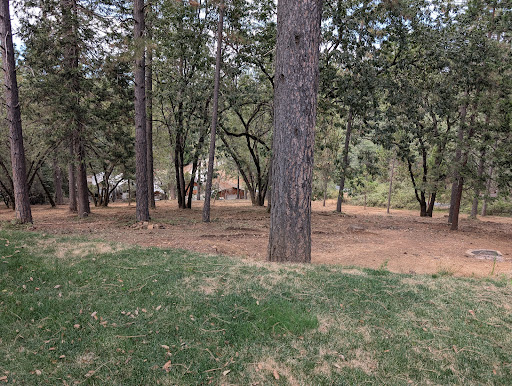
- Horizontal Canopy Separation: Keep at least 10 feet of space between individual tree canopies in Zone 1. On flat ground in Zone 2, maintain at least 12 feet of crown separation.
- Slope Adjustments: Fire spreads much faster uphill because rising heat preheats fuels above. Horizontal shrub and tree spacing must expand as slope steepness increases:
- Flattish ground (0% to 20% slope): Space shrub clusters two times their width apart.
- Moderate slope (20% to 40% slope): Space shrub clusters four times their width apart.
- Steep slope (Greater than 40% slope): Space shrub clusters six times their width apart.
Applying proper fire safe landscaping practices prevents ground fires from climbing into the overstory.
Essential Land Clearing Fire Prevention Methods and Machinery
Effective land clearing fire prevention relies on matching the right mechanical equipment to the property terrain, fuel density, and safety requirements.
Operating commercial equipment during dry seasons requires strict precautions. Every piece of internal combustion machinery must be equipped with an approved spark arrester. Operators should execute high-friction clearing work before 10:00 AM, avoid working during Red Flag Warnings, and keep a dedicated water source, fire extinguishers, and hand tools on site.
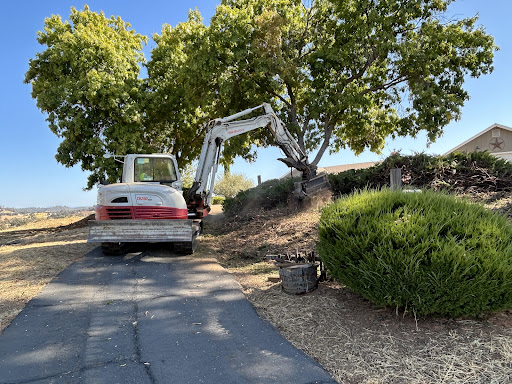
- Forestry Mastication: Skid-steers or track excavators mounted with high-speed mulching drums grind dense brush, small trees, and woody slash into a flat layer of organic chips. Our heavy-duty mastication services eliminate heavy ladder fuels across rough terrain without scraping topsoil.
- Heavy Brush Mowing: For properties choked with thick brambles, scotch broom, or dense scrub, professional brush clearing equipment quickly clears thick vegetation down to manageable levels.
- Tractor and Field Mowing: Open parcels and pastures with tall annual grasses require consistent seasonal maintenance. Commercial field mowing keeps dry fuels below critical ignition thresholds.
| Clearing Method | Primary Equipment Used | Best Suited For | Slope Capability | Fuel Reduction Effect |
|---|---|---|---|---|
| Forestry Mastication | Track loaders, excavators with mulching heads | Dense brush, overgrown timber, small trees | Moderate to steep slopes (up to 45%) | Converts ladder fuels into a flat, fire-dampening mulch carpet |
| Heavy Brush Removal | Tracked brush cutters, high-flow skid steers | Overgrown acreage, dense brambles, saplings | Gentle to moderate slopes | Cuts heavy growth flush to ground, opens emergency access |
| Field Mowing / Flail Cutting | Tractors with rotary or flail mowers | Annual grasses, dry weeds, light scrub | Flat to gentle rolling hills | Reduces flash fuels down to a safe 2- to 4-inch height |
| Hand Thinning & Pruning | Chainsaws, pole saws, manual crews | Zone 0 and Zone 1 delicate landscapes | Any slope, rocky or restricted access | Delivers precise vertical ladder fuel cuts and crown spacing |
Eliminating Hazardous Fuels and Hardening Vulnerable Structures
Reducing vegetation in the yard must be paired with managing artificial fuel sources and structural weak points.

Safe Storage of Firewood, Propane Tanks, and Combustible Materials
Outbuildings, fuel storage, and wood supplies can turn into massive heat sources during a fire:
- Firewood Piles: Never store firewood within Zone 0 or against exterior siding. Move all firewood, scrap lumber, and timber piles at least 30 feet away from structures into Zone 2. Clear all dry vegetation within 10 feet of the pile.
- Propane and Fuel Tanks: Liquid propane tanks release safety relief valves under high heat, creating torch-like flame jets. Maintain a minimum cleared perimeter of 10 to 15 feet of bare ground or gravel around all propane tanks, and ensure no dry brush or low branches hang over the tank.
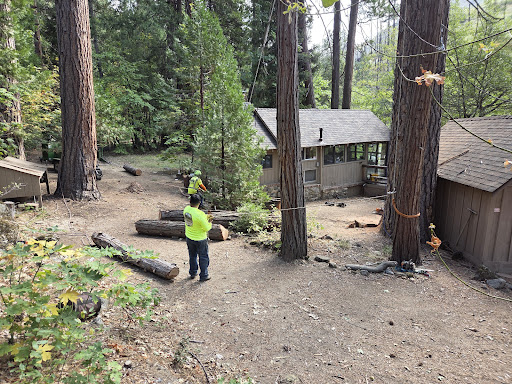
- Hazardous Dead Timber: Standing dead or dying trees near buildings pose severe wildfire and crush hazards. Removing them through professional hazardous tree removal eliminates primary ignition risks.
- Slash Disposal: Process downed limbs and brush using wood chipping rather than leaving loose, aerated debris piles on the forest floor.
Home Hardening Protocols: Vents, Eaves, Roofs, and Decks
Home hardening works in tandem with landscape clearing. Upgrading structural components helps reduce wildfire dangers and prevents embers from penetrating the home:
- Roof Valleys and Coverings: Ensure the roof carries a Class A fire rating (such as composition shingle, tile, or metal). Keep roof valleys, eaves, and rain gutters completely free of dry leaves and pine needles.
- Attic and Foundation Vents: Cover all attic, foundation, and crawlspace vents with 1/8-inch (or 1/16-inch) corrosion-resistant metal mesh screening. Never use fiberglass or plastic mesh, which melts under ember contact.
- Decks and Overhangs: Clear all combustible storage, dead leaves, and weeds from beneath elevated wooden decks. Enclose the underside of decks with non-combustible siding or 1/8-inch metal mesh to prevent embers from rolling underneath.
Navigating Boundary Lines, Permits, and Regional Regulations
Fuel-reduction projects frequently cross or border property lines, requiring an understanding of municipal codes, local ordinances, and fence clearance guidelines.
Property owners must follow established firebreak construction guidelines to ensure clear access for emergency equipment. Firebreaks must maintain adequate driving widths, clear vertical heights, and turnouts for emergency vehicles.
Legal Compliance and Land Clearing Fire Prevention Regulations
Different jurisdictions mandate specific clearing standards:
- California Regulations: Under California Public Resources Code (PRC) 4291, property owners in State Responsibility Areas must maintain 100 feet of defensible space around all structures. Counties such as San Diego and Los Angeles enforce stricter standards, expanding clearance up to 200 feet in designated high-fire severity zones as detailed in local county property owner responsibilities. In El Dorado County, insurance underwriters regularly perform compliance audits. Completing dedicated insurance compliance clearing ensures your home remains insurable. Understanding local defensible space ordinances keeps your property fully compliant.
- International Standards: Regulatory requirements worldwide reflect these same fuel-management principles. In Australia, failure to manage hazardous overgrowth under Queensland fire rules can trigger severe penalties, as outlined in official guidelines on landowner fire hazard liability.
Environmental Protections and Native Vegetation Clearing Exemptions
Fire clearing must be balanced with local conservation mandates, native tree protection rules, and soil stability:
- Native Tree Protections: In California, heritage and native trees (such as specific Oak species) often require targeted pruning rather than full removal. Always confirm municipal tree protection ordinances before cutting down mature trees.
- Vegetation Removal Exemptions: In regions with strict clearing controls, such as Victoria, Australia, specific statutory provisions like the 10/30 and 10/50 rules establish clear vegetation removal exemptions for homes in designated bushfire zones. Similarly, landholders under the New South Wales Rural Boundary Clearing Code can apply rules for native vegetation emergency management to clear up to 25 meters along property boundaries without standard development approvals.
- Erosion Control: On steep hillsides, avoid stripping ground down to bare mineral dirt. Use mechanical mastication to leave a root network in place, or install contour wattles and erosion blankets to stabilize slopes before winter rains.
Frequently Asked Questions About Wildfire Land Clearing
What is the most critical distance to clear around a home for fire protection?
The most critical area is Zone 0, covering the first 5 feet from your home’s foundation and roofline. Keeping this immediate perimeter completely free of combustible mulches, dry leaves, firewood, and woody shrubs prevents wind-blown embers from igniting the structure directly.
How far should tree branches be trimmed from the ground and rooflines?
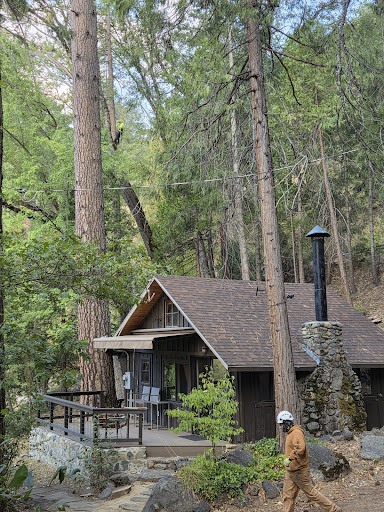
Tree canopies must be trimmed back so that no branches hang within 10 feet of rooflines, chimneys, or stovepipes. From the ground, prune lower tree limbs up at least 6 to 10 feet (or maintain vertical clearance equal to three times the height of any underlying brush) to eliminate ladder fuels. If you have large, hazardous branches looming over your roof, schedule professional tree service to remove them safely.
Can I clear vegetation on my property line or along a fence without a permit?
In most jurisdictions, you can clear annual grasses, weeds, and dead brush along boundary fences without a special permit, provided you do not remove protected native tree species or disturb regulated wetland corridors. However, you cannot clear vegetation across your neighbor’s property line without their written consent. Always check local municipal clearing codes before starting boundary work.
Conclusion: Protecting Your Property with Professional Vegetation Management
Creating defensible space is an ongoing commitment to protecting your home, property, and community. Proactive fuel reduction, strategic vertical and horizontal plant spacing, and disciplined Zone 0 maintenance dramatically improve structure survivability during severe wildfire events.
At Hargo’s Land Management, we help property owners throughout El Dorado County—including Placerville, South Lake Tahoe, and surrounding foothills—turn fire hazards into safe, compliant, and healthy landscapes. As a locally owned, fully licensed, bonded, and insured team, we provide heavy brush clearing, forestry mastication, and professional tree service and wildfire mitigation tailored to our regional terrain.
Contact us today to schedule your free on-site estimate and secure your defensible space before the next fire season begins.
CUSTOMER REVIEWS & TESTIMONIALS
We strive to exceed your expectations. See what our customers have to say.
























CONTACT US TODAY
Serving El Dorado and Surrounding Counties
Locally owned and operated since 2013. Use our live chat support to get in touch about your land management needs today.
Request a free evaluation and estimate by completing our online form or book an on-site appointment.
El Dorado County: El Dorado Hills, Cameron Park, Shingle Springs, Coloma, Placerville, Camino, Pollock Pines, South Lake Tahoe and more...
Amador County: Jackson, Ione, and Surrounding Towns
Sacramento County: Sacramento and Surrounding Cities
Placer County: Roseville, Rocklin, Auburn, and Everything In Between
Nevada County: Penn Valley, Nevada City, Grass Valley