
Best Weed Barrier Solutions to Protect Your Soil and Save Your Back
The Best Weed Barrier Depends on Where You Use It
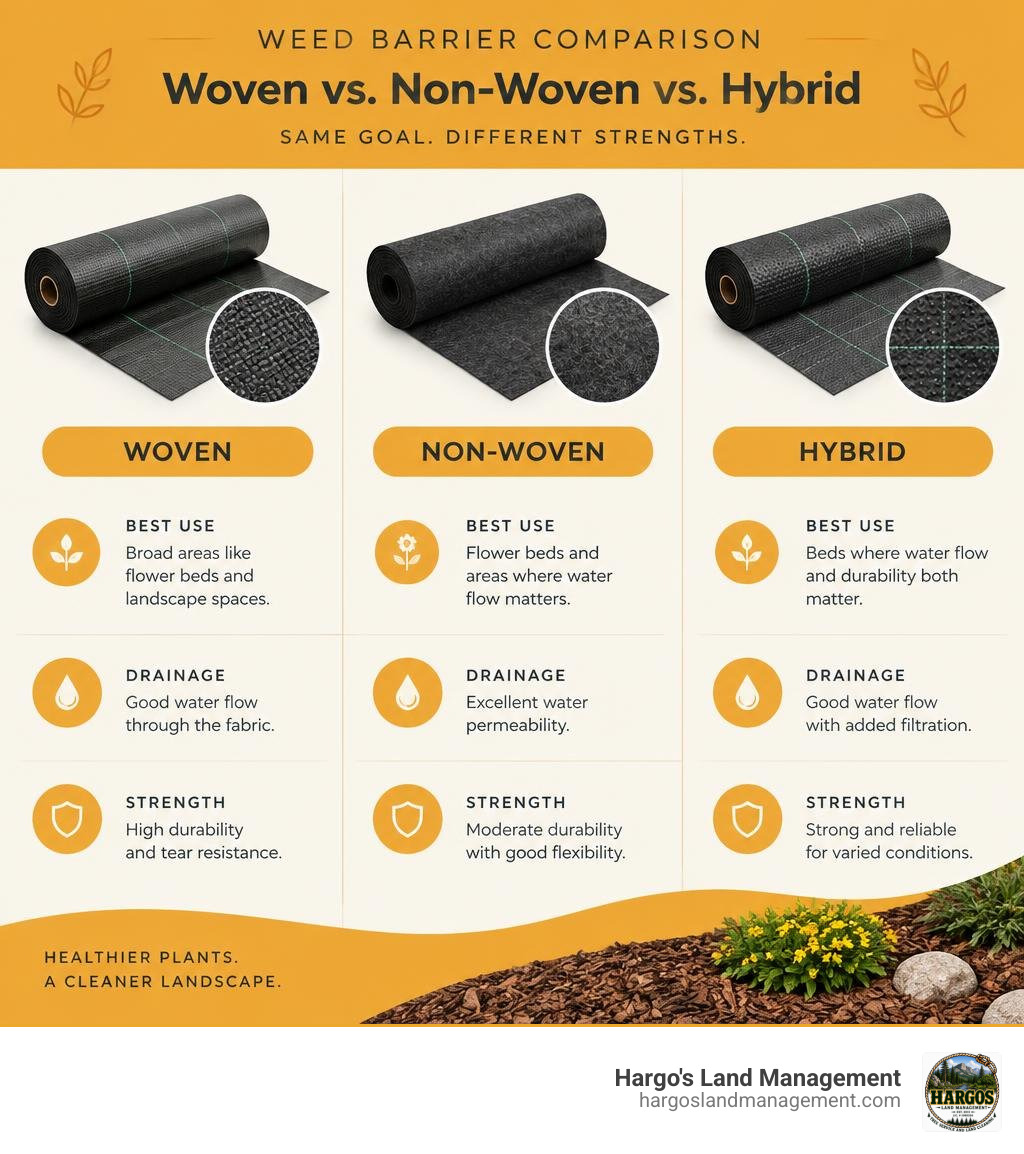
For flower beds, start with a water-permeable 3- to 4-ounce fabric. Woven fabric is a practical choice for broad areas, while a needle-punched or hybrid fabric can suit beds where water flow and durability both matter. For gravel paths or driveways, look for a stronger woven geotextile around 5 ounces per square yard.
No fabric stops every weed. Clear existing growth before laying it, overlap and secure the seams, then cover the fabric to protect it from sunlight. In vegetable beds that you replant often, mulch may be easier to work around.
Choosing the Best Weed Barrier by Material and Construction
Finding the best weed barrier for your property starts with understanding how different geotextile fabrics are built. The market is full of rolls claiming indestructible weed protection, but their real-world performance comes down to material structure, weight, and UV stabilization. Most landscape textiles use 100% polypropylene, a synthetic polymer that does not absorb water, resists rot and mildew, and withstands harsh soil chemistry. How those polypropylene fibers are assembled determines whether water flows smoothly to plant roots or whether heavy driveway aggregate tears the material to shreds.
There are three primary categories of landscape fabric:
- Woven Polypropylene: Constructed by weaving flat plastic strands in a crisscross pattern. Woven geotextiles offer high tensile strength and tear resistance. Water passes through microscopic gaps between the woven tapes. They are ideal for high-traffic zones, underlayment, and general planting beds.
- Non-Woven Spunbond: Created by bonding spun synthetic fibers together using heat, needle-punching, or chemicals to form a solid, felt-like sheet. These lightweight fabrics (such as 50 gsm materials) provide high water permeability and air circulation, making them useful for moisture retention and light-duty filtration. However, they lack the structural load capacity needed for vehicle or gravel traffic.
- Hybrid (Dual-Layer or Needle-Punched): These contractor-grade fabrics fuse a durable woven base with a needle-punched non-woven top or bottom layer. This combination delivers the puncture resistance of woven fabric alongside the exceptional moisture absorption, aeration, and mulch-anchoring grip of non-woven material.
| Barrier Type | Primary Material | Permeability Rate | Tensile Strength | Best Application | Relative Cost |
|---|---|---|---|---|---|
| Woven Polypropylene | Slit-film woven strands | Moderate to High | High (800N–950N) | Paths, driveways, planting rows | Budget to Mid-Range ($33–$70/roll) |
| Non-Woven Spunbond | Spun-bonded fibers | High | Low to Moderate | Tree rings, soft mulch beds, drainage | Budget ($30–$50/roll) |
| Hybrid / Needle-Punched | Woven + felt layer | High | Very High | Permanent shrubs, commercial beds, slopes | Premium ($200–$380/roll) |
Best Weed Barrier Types for Garden Beds and Soil Health
Soil is a living ecosystem that requires continuous air and moisture exchange. Solid plastic sheeting suffocates earthworms, starves beneficial soil microbes of oxygen, and turns fertile loam into sour, compacted dirt. In permanent shrub and flower beds, needle-punched and hybrid fabrics are the premier choice.
Needle-punched points create thousands of permeable channels that allow rainwater, liquid nutrients, and oxygen to reach root systems while denying weed seeds the light required for germination. These fabrics feature a fuzzy or textured underside that grips the soil beneath and holds organic mulch in place on top. Coupling breathable textiles with effective weed control techniques preserves moisture balance across your landscape and reduces regular hand-weeding.
Best Weed Barrier Fabrics for Driveways and Gravel Paths
Gravel paths, recreational vehicle pads, and rural driveways demand structural stability rather than gentle garden permeability. Without a heavy-duty geotextile separator, angular gravel migrates down into native soil under vehicle loads, causing ruts, sinkholes, and weed infestations emerging from the displaced base.
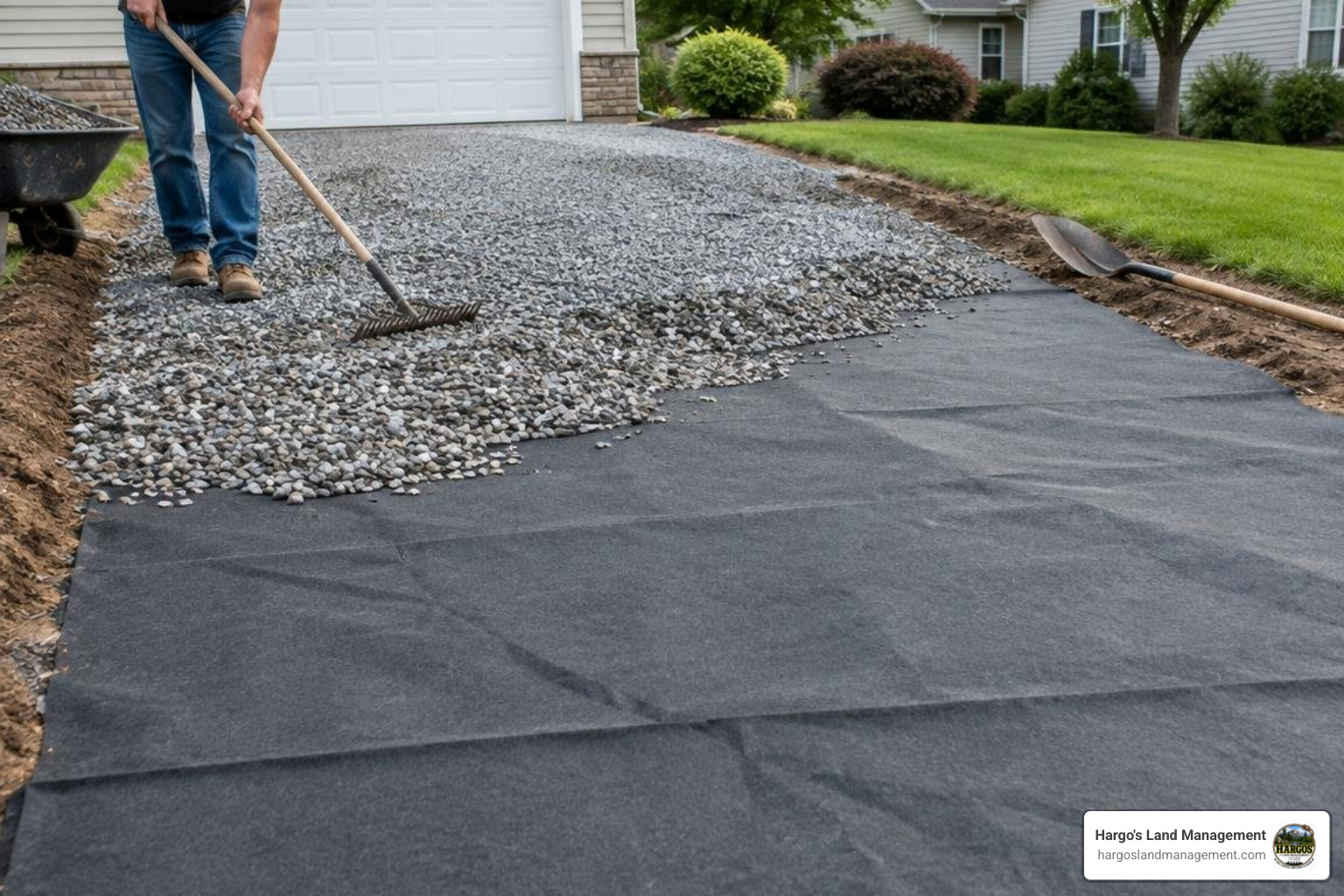
A heavy-duty 5oz woven geotextile under gravel provides an aggregate separation barrier with a tensile strength reaching 850 Newtons lengthwise and 950 Newtons widthwise. This tensile strength distributes vehicle wheel loads across a wider surface footprint, preventing rutting and stopping sharp crushed rock from puncturing the weed barrier.
Fabric Weight and Durability: Matching Ounces to Your Landscape Project
Fabric weight is measured in ounces per square yard (oz/sq.yd) or grams per square meter (gsm). It serves as the primary indicator of material thickness, puncture resistance, and service life:
- Lightweight (1.5 oz to 2.5 oz / 50 gsm): Thin, temporary covers designed for seasonal use or short-term soil filtration. Weeds with aggressive taproots (like thistle or dandelions) can punch through light non-woven materials within a season.
- Medium-Duty (3.0 oz to 3.2 oz): Standard residential grade, covering roughly 400 to 1,950 sq. ft. per roll. Suitable for home garden beds, greenhouse paths, and ornamental planter surrounds.
- Heavy-Duty Commercial (4.0 oz to 5.0+ oz): Engineered for demanding residential and commercial installations. These fabrics provide puncture resistance against sharp stones, resist root breakthroughs, and endure heavy foot or vehicle traffic.
Economy-grade, non-stabilized fabrics break down within 3 to 5 years under natural ground chemistry and UV rays. In contrast, heavy-duty rolls built with UV-stabilized virgin polypropylene—such as high-spec 20-year needle-punched weed barrier specifications—are engineered for decades of ground contact without rotting, tearing, or disintegrating.
Sizing and Coverage Planning for Minimum Seams
Minimizing seams is critical to preventing weed breakouts. Every joint between fabric sheets presents an opportunity for wind uplift and seed germination.
Measure your target area’s total square footage and add 10% to 15% extra material to account for seam overlap and perimeter anchoring. Rather than piecing together several narrow strips across a wide garden expanse, select roll widths (from 3 feet up to 12 or 13 feet) that match your site dimensions. Rolls with built-in 12-inch alignment stripes or green guide lines make straight cuts simple and help maintain uniform planting rows.
Step-by-Step Weed Barrier Installation and Ground Preparation
A premium weed barrier will fail if installed over uneven, weed-choked ground. Proper site preparation guarantees seamless, long-lasting weed protection:
- Clear Existing Vegetation: Remove all live weeds, brush, roots, and sharp rocks. For dense brush, saplings, or out-of-control vegetation, thoroughly clearing brush and overgrowth creates a clean sub-base.
- Grade and Compact the Soil: Rake the area smooth and tamp down loose dirt. Establish a gentle slope away from building foundations to avoid water pooling beneath the barrier.
- Roll and Align the Fabric: Lay the fabric flat along your planting rows. Keep the fuzzy side down if using hybrid fabrics to grip the earth.
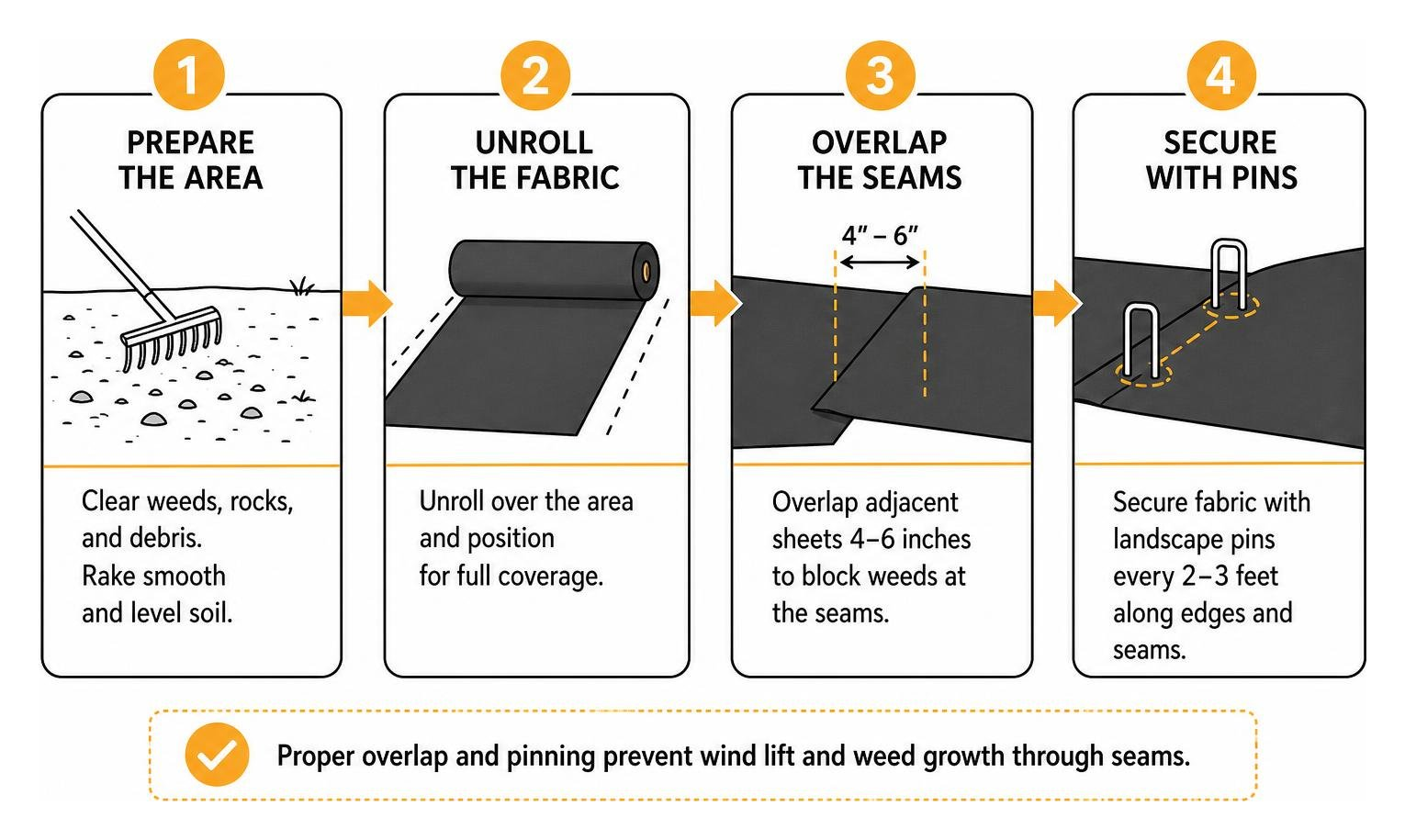
- Overlap Seams Generously: Overlap adjacent sheets by a minimum of 4 to 6 inches (or 6 to 12 inches under driveway gravel). Never place edges flush against one another.
- Pin Down with Landscape Staples: Drive 6-inch or 8-inch steel landscape staples into the ground along all edges and overlapping seams at 3- to 5-foot intervals. Add extra staples on steep slopes or wind-exposed grades.
- Cut Plant Openings: Use a sharp utility knife to cut clean “X” slits no larger than the root ball of each plant. Fold the flaps outward, dig your planting hole, insert the plant, and fold the fabric flaps back around the stem.
- Apply Surface Cover: Spread a 3- to 4-inch uniform layer of wood mulch, decorative rock, or gravel over the fabric. This layer shields the geotextile from direct ultraviolet radiation and keeps it held securely against the soil.
Integrating Geotextiles with Ongoing Property Maintenance
In wildfire-prone landscapes throughout El Dorado County, weed management is a critical component of property defense. Fast-growing annual grasses and combustible weeds dry out every summer, creating continuous fuel pathways toward homes and structures.
Installing heavy-duty geotextiles under decorative rock borders, driveway perimeters, and zero-ignition zones starves dry weed growth of light. Integrating ground barriers with proactive vegetation management limits fire hazards, eliminates dry ladder fuels, and maintains clean defensible space around your structures year-round.
Frequently Asked Questions About Weed Barriers
Does water drain properly through heavy-duty weed barrier fabric?
Yes. Quality heavy-duty fabrics are engineered specifically for water and air permeability. Woven fabrics permit water filtration through microscopic gaps in the weave, while needle-punched fabrics draw water through perforated fiber channels. You may see brief water pooling right after initial installation due to surface tension, but water drains through freely once the material is wet and settled under mulch or gravel.
How long does landscape fabric last under gravel versus mulch?
When shielded from sunlight, commercial-grade 4.0 oz to 5.0 oz polypropylene fabrics last 20 years or more. Under gravel, the fabric experiences higher friction and weight, making high tensile strength (850N–950N) essential to prevent puncture tears. Under organic mulch, fabric is exposed to higher organic moisture and microbial activity, requiring rot-resistant, chemically inert polypropylene.
What common installation mistakes cause weed barrier failure?
The four most common installation mistakes are:
- Inadequate seam overlap: Leaving gaps or butt-joining edges allows weeds to shoot straight up through the seams. Always maintain a 4- to 6-inch overlap.
- Skimping on landscape staples: Failing to secure edges allows wind to lift the fabric and shift the top dressing.
- Oversized planting cuts: Cutting large holes exposes bare soil to sunlight, inviting weeds to sprout right at the base of your plants.
- Inadequate top cover: Leaving the fabric uncovered under direct sunlight leads to premature UV degradation and tears.
Conclusion
Installing a high-grade weed barrier saves countless hours of exhausting yard maintenance, improves moisture retention for healthy shrubs, and provides the structural stability needed for long-lasting gravel pathways. Selecting the right material weight—whether a 3.2 oz breathable woven sheet for your ornamental beds or a rugged 5 oz geotextile under gravel—ensures your property stays protected for years to come.
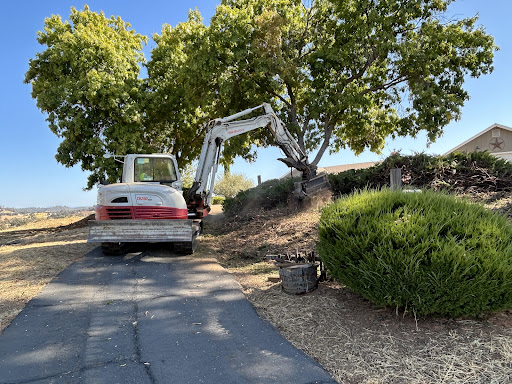
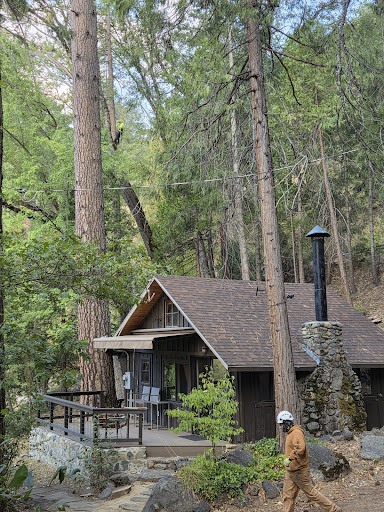
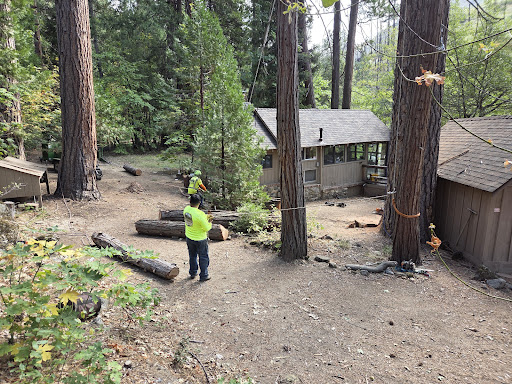
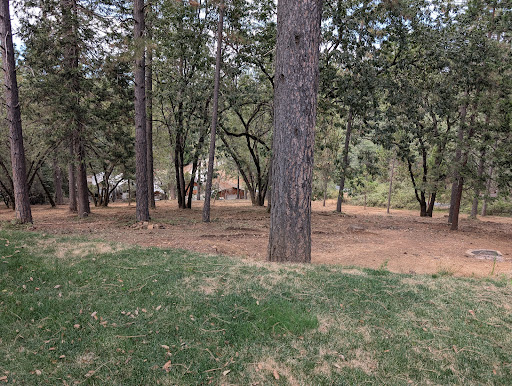
When extensive overgrowth, large parcels, or rugged terrain require heavy equipment and expert care, our team at Hargo’s Land Management is here to help. We are locally owned, licensed, bonded, and insured, providing comprehensive residential and commercial tree services, land clearing, defensible space creation, and professional weed abatement services across El Dorado County, South Lake Tahoe, and Placerville. Contact us today for a free on-site estimate and let us do the heavy lifting to keep your land clean, defensible, and pristine.
CUSTOMER REVIEWS & TESTIMONIALS
We strive to exceed your expectations. See what our customers have to say.



















CONTACT US TODAY
Serving El Dorado and Surrounding Counties
Locally owned and operated since 2013. Use our live chat support to get in touch about your land management needs today.
Request a free evaluation and estimate by completing our online form or book an on-site appointment.
El Dorado County: El Dorado Hills, Cameron Park, Shingle Springs, Coloma, Placerville, Camino, Pollock Pines, South Lake Tahoe and more...
Amador County: Jackson, Ione, and Surrounding Towns
Sacramento County: Sacramento and Surrounding Cities
Placer County: Roseville, Rocklin, Auburn, and Everything In Between
Nevada County: Penn Valley, Nevada City, Grass Valley